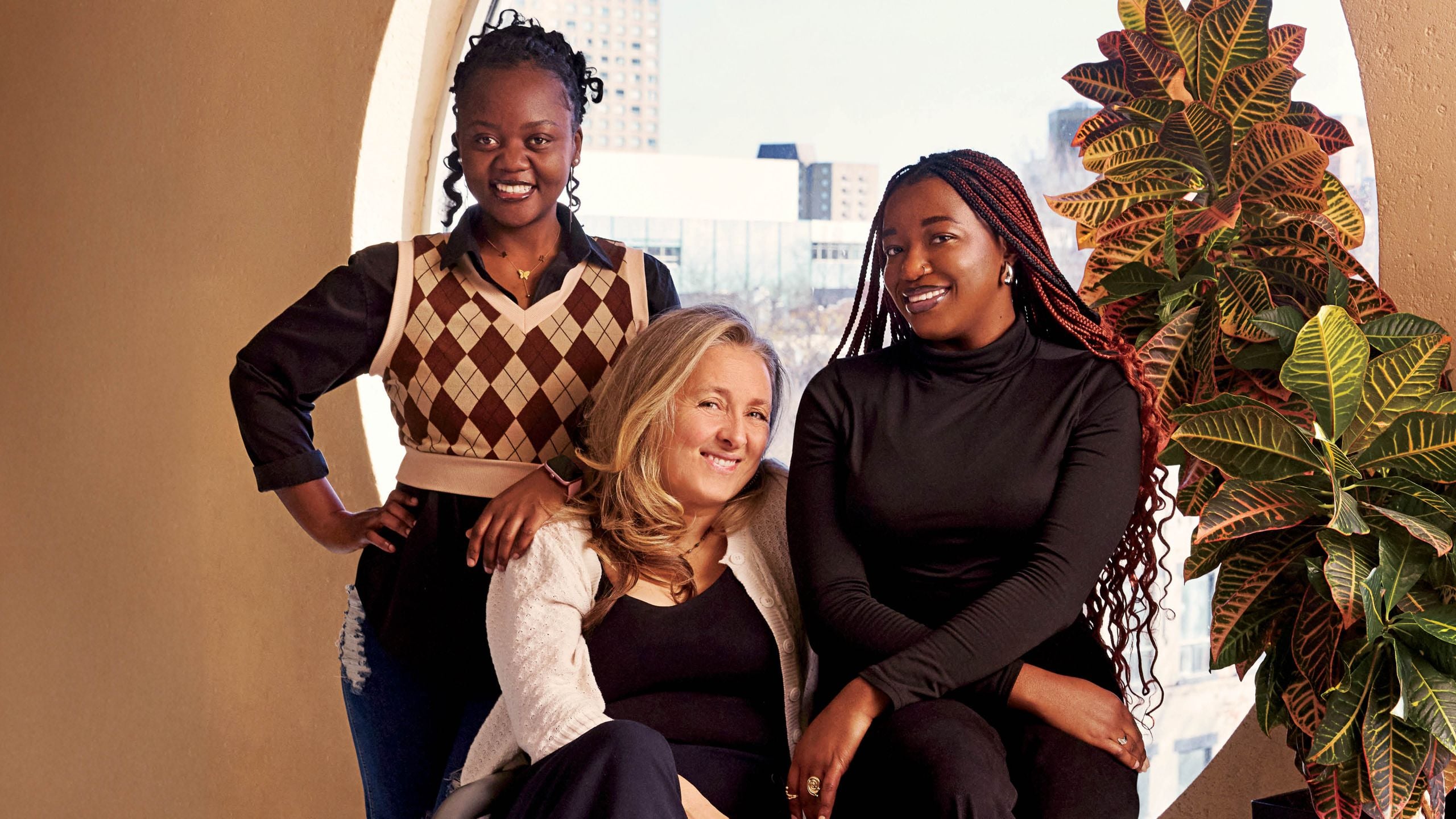
“It’s About Contributing to a Better World”: 3 Canadian Families On Why They Became Refugee Hosts
What does it mean to open your home to someone who has lost nearly everything? Across the country, families, teachers and neighbours are answering that question. They are hosting newcomers, welcoming strangers into their homes and helping them rebuild their lives—even as refugee resettlement in this country grows more complex and public opinion about it becomes more divided.
A 2024 survey from market research firm Environics found that 43 percent of Canadians believe many people claiming refugee status are not “real” refugees. Meanwhile, refugees continue to face challenges with federal programs, like stricter visa requirements, backlogs and processing delays.
At the grassroots level, however, the situation looks more hopeful. Here are three stories of Canadians who opened their homes to newcomers in need.
“We’re a Part of Their Family”
From Congo to Montreal
When Congolese refugees Valentine Uwimana, 26, and Merveille Mufula, 24, first arrived in Montreal, they were strangers to their new country—and to each other. The women were sponsored through the Student Refugee Program, which offers refugees the chance to resettle in Canada while pursuing higher education. Run by student committees on campuses across the country, the program provides newcomers with one year of financial and social support, after which they can continue their studies independently. Since 1978, it has supported 2,500 refugee students.
Valentine and Merveille were hosted by Rafaëlle Sinave, a professor who had previously housed a Syrian family in 2016 and helped launch the Student Refugee Program at CÉGEP du Vieux Montréal. (CÉGEP is a system of public post-secondary colleges in Quebec that help prepare students for university or the workforce.)
Today, Valentine and Merveille live together in student housing—and are now living alongside another refugee student from Congo.
Rafaëlle: In 2018, I was leading an activity in class about the realities faced by refugee populations. We placed participants in the shoes of someone in exile. It was an opportunity to discover the causes of persecution that lead to refugee status, as well as the difficult living conditions in refugee camps.
Marie-Soleil, one of my students, came to me after class because she was so shocked to learn that so many people were still waiting for resettlement. Knowing that I had already sponsored a Syrian family in 2016, she asked me if students could get involved in sponsorship. I was impressed by her willingness, but I wasn’t sure if it was possible. I knew how complicated sponsorship was, but I didn’t want to crush her dreams. I told her to take the week to think it over, and that I would do the same on my end.
By pure chance, I happened to attend a UNHCR conference during International Development Week, where a unique Canadian program that allowed students to sponsor young refugees was mentioned. I couldn’t believe the timing.
The following week, Marie-Soleil told me she had already formed a committee of 10 students to start our own Student Refugee Program at the CÉGEP. I was so impressed. We went to Ottawa together a month later to train for the program. It was an intensive three-day event where we met other local committees and young people who had been sponsored, and it gave us the tools and energy to do it ourselves.
The CÉGEP received Valentine and Merveille’s applications in 2022 and 2023, respectively, and once they were accepted, we started planning housing arrangements.
I hosted Valentine and Merveille in my home for several weeks in the summers of 2023 and 2024 before they began their studies and moved into student housing. Welcoming them into my home was transformative—for me as much as for them.
Valentine: I was born in Congo, where war was daily life. In 2009, my father was kidnapped and never returned. In 2018, rebels attacked our home, and my family fled to Uganda. We lived in a refugee camp for about six years.
Each month, we received the equivalent of $5 from the government. It was never enough. I sold beans, worked as a teacher and became a hygiene promoter at the refugee camp, encouraging people to have toilets, garbage bins and shelves to dry dishes. I did it all to keep my siblings fed and in school. Even then, I dreamt of a higher education for myself.
I’d heard about the Canadian student program from others in the refugee camps, so I decided to give it a shot. I applied in 2022, and it worked out.
When I arrived in Canada, it felt surreal, like stepping into a TV screen. The buildings, the streets, even seeing white people everywhere—it was both shocking and exciting. After six years away from school, I was thrilled to be back. But it was hard, too. Teenagers in my classes kept to themselves. I struggled with the dialect. But when I explained my background to my professors, they were patient and supportive. That understanding made all the difference.
At the same time, I worked in a restaurant, sending money home. Later, I joined intercultural and mentoring committees at the CÉGEP to help other newcomers adapt.
Now, I’m studying social work, and I volunteer to help new students feel a sense of belonging. I also take part in conferences to share my experience and give advice to local committees on how to better support new students. And I volunteer at Notre-Dame Hospital as a greeter, helping direct people to the right spots. My determination comes from my family and from the hope of creating a better future for others.
Merveille: In the refugee camp in Uganda, life was precarious. From a young age, I grabbed every opportunity I could to support my family. I tutored girls in the camp. I even started a small business making and selling beaded bags and bracelets.
Coming to Canada was another challenge altogether. The education system was completely different. Professors here are approachable, even friendly, which was new to me. At first, it was overwhelming. Group projects often stressed me out—many of my younger classmates weren’t serious. Sometimes I ended up working alone. But professors listened when I explained, and slowly I adapted.
Now, I’m a nursing student. My immigration process is now complete, and I’m a permanent resident. My long-term goal is to keep caring for others, keep building a life here.
Rafaëlle and some of the student sponsors are like mothers to me. Despite their many responsibilities, they always find the time to be there for me. If my integration seemed easy, it’s largely thanks to them.
Valentine: Living with Rafaëlle gave me stability in those first months. When I arrived in Canada, she cooked a delicious chicken and salad meal that we shared. When night fell, she gave me her own bed so that I could rest, which touched me deeply. From the very first moment, I felt loved, valued and safe.
Rafaëlle: Some of the most precious moments I had with Valentine and Merveille were when we took trips outside of the city. My boyfriend has this beautiful cabin in the woods that we’d visit. It struck me with joy, spending the whole afternoon with them learning to swim in the lake, even with the water being so cold. Each time we go back to the cabin they just want to be in the water.
Even now, they’re trying new things. Merveille learned how to ride a bike last summer. She’s the type of person who wants to try everything.
We don’t talk every day now, but when we do, we have a lot of deep conversations, especially about life here and what they want as women. One of the conversations I had with Valentine was about the fact that she wants to be independent and eventually have a career and become something more than a woman who stays at home.
It’s precious and special to welcome these women and provide a space to talk about these things. I know that if I were a man, I would not have access to their reflections and questions.

“It’s About Contributing to a Better World”
From West Africa to Montreal
In Montreal, a unique bond has flourished between two families. Michel Racine is a retiree and a volunteer with the Welcome Collective, a non-profit that supports asylum seekers. His partner, Raphaëlle Curis, is a speech pathologist. In early 2024, with Raphaëlle’s kids grown up and out of the house, Michel and Raphaëlle opened their home to John, a father in his mid-50s, and his three teenage children for three weeks, until the family moved into an apartment of their own. (John’s name has been changed due to his family’s vulnerable immigration status.)
Facing persecution, they fled from West Africa and are currently seeking refugee status.
John: I call them “Mommy Raphaëlle” and “Mr. Michel” because in my culture, showing respect is essential. They took us in as their own family, without hesitation. Back home, we can’t imagine inviting strangers into your home, leaving everything unlocked like they did. I will never forget this family for everything they’ve done for me and my children.
We first arrived in Toronto in 2024. We had very little money and no place to stay because all the shelters were at capacity. I remember we slept at a nearby train station and at the back of an abandoned house, and used our luggage to barricade ourselves. People would pass by in their cars and look. It was cold, and we had no other choice. One day, a woman saw us and couldn’t believe my children and I were sleeping there. She helped us buy bus tickets to Montreal because it would be easier to find shelter there.
We took the bus to Montreal, and another passenger offered to drive us to PRAIDA, the Regional Program for the Settlement and Integration of Asylum Seekers. When we got to security, they said they couldn’t help us because we didn’t have the brown papers (the Refugee Protection Claimant Document). We ended up sleeping outside the building for another night. It was much colder in Montreal than in Toronto. It was hard to keep hope alive. My children were so strong. They didn’t cry. I was the one who cried, but they told me, “Don’t worry, Dad. We’ll be okay.”
Michel: After working as a volunteer with the Welcome Collective for seven years, I felt ready to open our home. Raphaëlle and I agreed that our house was meant to help others.
Raphaëlle: We’ve always felt so lucky and privileged. The world has so many injustices, and we thought we could make this one family’s journey a little easier. It’s not just about helping. It’s about contributing to a better world in a concrete way.
Michel: We got a text from someone from the Welcome Collective telling us about John’s family. It took me half a second to say yes when we were asked to host them.
Raphaëlle: I remember our first call. They were in a hotel, and one of the children held up the phone in front of a mirror so we could see them. The next day, they arrived at our door. We didn’t know what to expect. We learned what foods they liked—John loves bread, and he drinks hot water, which was new for us.
Michel: We tried to make everything feel as seamless as possible. They were so respectful, and we quickly realized our cultures were compatible. They were so cooperative, eager to help around the house, and they truly felt like part of the family.
Raphaëlle: I remember that first night, I wasn’t sure what to cook, so I made a poulet chasseur—a hearty French dish made with chicken, tomatoes, onions, stock and spices that they seemed to like.
Eventually, we got to learn more about their cuisine, including hot chicken stews with rice, and we got to eat it, too.
John’s children are so musical. We have a piano, but no one had really used it. When they came, they filled the house with music. It’s amazing to see how they’ve embraced their new life. One of them is even competing in singing competitions.
Michel: They’ve all come so far. When we first met them, they didn’t speak much French. Now, they’re doing well in school, and the kids are already top of their class. Their progress is incredible.
Raphaëlle: It’s been a joy to see them thrive. But the system is far from easy. After secondary school, John’s children will have to navigate university or CÉGEP, which is costly. We want to help them, but there are so many barriers. Still, I see so much potential in them. They’ve adapted so well, and I know they will contribute greatly to this country.
Michel: It felt like we discovered a family, and now I think we’re a little bit part of it, too.

“I Call Them Mom and Dad”
From Afghanistan and Iran to Niagara Falls, Ont.
In 2022, Wendy and Doug Long sponsored five young men from Afghanistan. Two of those men, Ibrahim and Ali, still live with the family today. Over the past few years, the couple and their two children have developed a bond with Ibrahim and Ali that is more than a mere hosting arrangement. They have shared traditions, celebrations—and hundreds of cups of tea.
Wendy: Hosting people in our home has been part of our family life since 2005. Our kids are currently in their 20s, but when they were younger, we took in international secondary and post-secondary students from Central and South America and Europe. We really enjoyed connecting with these kids. It was like bringing the world into our family.
My father was an immigrant from Cairo who lived through the Egyptian revolution in 1952. His family fled first to Beirut, then Montreal. My mother is Acadian. I grew up in a multicultural city, so sharing Canada with newcomers always felt natural.
I learned about private sponsorship in 2017 when I started advocating for Afghans who served in the Canadian military. Ruth Elizabeth Bromstein is one of the founders of Northern Lights, a Canadian organization that bridges the gap between refugees and families who want to host them. She used to host a “Walk Like a Refugee” event—walking from Toronto to Niagara Falls every year to raise money for sponsorship and awareness.
Eventually, I got involved with Northern Lights. That’s when my husband and I thought: We have the space, we have the means, so why not do this ourselves? Then we met Ibrahim.
Ibrahim: I left Afghanistan in 2014, when I was 15. Conflict made it impossible to stay. I ended up at the IDC (international detention centre) in Indonesia, seeking asylum. After I submitted my paperwork to the UNHCR, I waited. We couldn’t go to school or work, though I did learn to speak basic English by talking to others inside. Days turned into years. It felt like life had stopped.
In 2018 someone from UNHCR finally visited us. They said, “You guys have no choice. Pick from two options: Go back to your country or find somebody to sponsor you.”
I started searching around on Facebook and found the Northern Lights page. Through that page, thanks to God, I found Ms. Wendy. I remember the moment I texted her. I sent a request, saying “Hi.” After a couple of days, she replied to me, and I wrote her my story. She replied again, which gave me a little bit of hope. She said that if it’s possible, she would think of a plan to host me.
Wendy: We took the same approach to sponsorship as we did with hosting students. I told him, “The same house rules that apply to my kids are going to apply to you.” And he said, “No problem.” I felt I could take a chance with him.
The normal cost for a refugee to live on their own would be $16,500, which they need in a trust fund to show the federal government. But it would be half that amount if they lived with us, as we’d take care of room and board. It takes a while to raise the money. We did a GoFundMe, and Ibrahim was actively reaching out to friends to contribute.
Ibrahim: After she submitted my application, it took nearly 20 months to process.
Wendy: He lucked out because out of the four sponsored refugees whose applications I submitted, his was the fastest to be approved. That was when the Afghan crisis happened in 2021, when the Taliban regained control of the country, leading to mass displacement and an urgent refugee crisis, so the government processed applications from Afghanistan faster.
Ibrahim: When I arrived in 2022, the Longs didn’t just give me a roof. They gave me a sense of belonging. I call them Mom and Dad. They worry about me the way parents do—when I went camping with friends recently, they texted to check if I was okay. That means the world.
Wendy: We picked up Ibrahim together with our other sponsored refugee, Shah (who no longer lives with the family), at the airport. There were still COVID restrictions, so we could not have the large welcome we had hoped for. Although they were exhausted, their smiles were bright.
The next day, we wanted to allow them to rest, but they were eager to explore. We took them to see Niagara Falls. It was cold and misty, but they didn’t care. Shah and Ibrahim were keen to start their lives and establish their identity in Canada, so the days were spent navigating the bureaucracy of getting bank accounts, credit card applications, cell phone SIM cards, SINs, OHIP and scheduling their English assessments.
Ali: My story is different. I was born in Tehran to Afghan Hazara parents. As refugees in Iran, we had no rights, no freedom of movement. At 16, I was deported to Afghanistan, a place I’d never lived. It was terrifying. Eventually, like Ibrahim, I fled to Indonesia and ended up at the IDC. That’s where we met.
The IDC was like jail—upwards of 200 people from different countries crammed together, allowed outside for one hour a day. We supported each other like family. But life was bleak. People lost hope. One 24-year-old man there even died by suicide. I understood why—your mind is constantly restless, thinking about your family, your lost future. When there are no doors open, life feels meaningless.
I was determined not to give up. Eventually, Ibrahim showed me the Northern Lights Facebook page, and he helped me connect with the Long family. It took years, slowed by the pandemic, but in 2022, I landed in Toronto. Later, in 2023, I came to Niagara, and the Longs welcomed me into their home.
At first, it was hard—Canadians speak so quickly. But slowly, with Mom and Dad’s help, we learned. I used to work at Canadian Tire. Then I went to Niagara College to get my certificate in framing and I now work as a cabinet maker. Every day I feel more settled.
Doug: When Ali arrived, I had just retired. That gave me time to drive him to all his appointments—banks, government offices, paperwork. It felt good to be useful. But the great fun was seeing their expressions of wonder and joy at discovering the beauty of this area. We now look forward, every summer, to floating down Chippawa Creek and enjoying ice cream at the creekside. It’s my special activity with them.
Wendy: We’ve also learned from them. They bring resilience, perspective and humour into our home. And their cooking—biryani, kofta, korma—is incredible. We sit together many evenings, have tea and share our days.
Ibrahim: When I was in Indonesia, I had big dreams for my future. But eight years of waiting changed me. Now, life is safe but not easy. Bills come every month, and you have to work hard. It was my dream to bring my three younger siblings here, and they arrived this past winter. I will be responsible for them. Their dreams will become mine.
Ali: I want to bring my family here, too. I never had the chance to receive a full formal education, but I want my siblings to study hard and build futures here. Once they are safe, then I’ll think about my own dreams.
Wendy: What worries me now is the future of refugee sponsorship in Canada. The private sponsorship program that brought Ibrahim and Ali here is being capped and limited. As of 2024, the federal government has temporarily paused application intake for community sponsors as well as groups of five people sponsoring a newcomer. Every single person we’ve sponsored has found work, built a life and given back. I hope the government doesn’t put up so many roadblocks.
Ramona Leitao (she/her) is a freelance multimedia journalist based in Toronto, the territory of the Mississaugas of the Credit, the Anishnabeg, the Chippewa, the Haudenosaunee and the Wendat peoples. She is currently a reporter at Oakville News.


